



Your Home Can Become Your Creative Space: Why Creativity Grows Best Where You Feel Comfortable
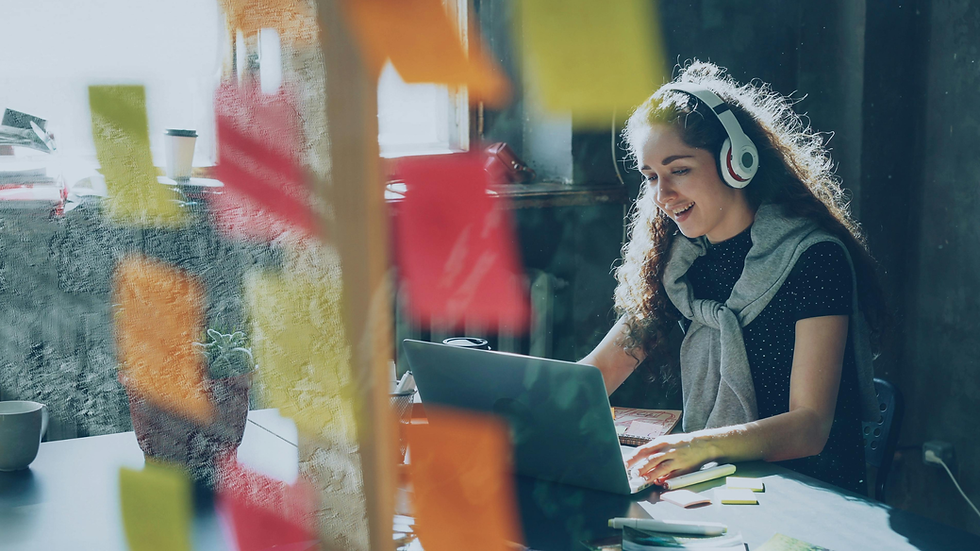
For many people, creativity is often associated with dedicated studios, expensive equipment, creative hubs, or inspiring workspaces. We imagine artists creating in bright studios, writers working in peaceful retreats, or designers surrounded by specialist tools.
While these environments can be helpful, they are not essential.
The truth is that creativity can grow almost anywhere.
Your creativity can grow at the kitchen table, in your bedroom, in a quiet corner of the house, or alongside the everyday rhythm of family life. In fact, for many people, creativity flourishes most when they are in an environment that feels familiar, comfortable, and safe.
As more people embrace online creative memberships and flexible learning opportunities, the idea that creativity requires a special location is becoming outdated. Today, creativity at home is helping people build consistent creative habits, reduce stress, and develop skills from spaces that already feel like their own.
Most importantly, creating at home allows creativity to fit naturally into everyday life.
Why Creativity Can Grow Anywhere
One of the biggest misconceptions about creativity is that you need the perfect environment before you can begin.
People often tell themselves:
"I need a dedicated workspace."
"I need more room."
"I need better equipment."
"I need more time."
These beliefs can unintentionally become barriers that stop creativity before it even starts. In reality, creativity can grow wherever there is curiosity and consistency.
Some people write novels at their kitchen table.
Others sketch from a bedroom desk.
Many develop creative skills from a quiet corner of the sofa after work.
The location matters far less than the habit.
Creativity develops through regular practice, experimentation, and exploration. When you give yourself permission to create where you are, rather than waiting for ideal circumstances, creative growth becomes much more achievable. The most successful creative journeys often begin with simple steps taken in familiar spaces.
The Benefits of Creativity at Home
There is something uniquely powerful about creating in a place where you already feel comfortable.
Home provides an environment that is familiar, predictable, and personal. These qualities can have a significant impact on how freely people express themselves creatively.
When creating at home, many people report feeling:
Calmer
More relaxed
Less self-conscious
More willing to experiment
More confident trying new ideas
These emotional benefits are important because creativity thrives when people feel psychologically safe.
Creative thinking requires vulnerability. Whether you're writing, drawing, designing, storytelling, or learning a new skill, there is always an element of uncertainty involved. New ideas don't arrive fully formed. They develop through trial and error.
When people feel judged or pressured, they often become more cautious.
When people feel relaxed, they are more likely to explore.
That exploration is where creativity grows.
Creating Makes People Feel Calmer and Less Stressed
One of the most overlooked benefits of creativity is its impact on wellbeing.
Many people initially start creative activities because they want to learn a new skill or explore a hobby. However, they quickly discover that creativity offers something much deeper.
Creating often helps people feel calmer and less stressed. When you're focused on drawing, writing, crafting, designing, or imagining new ideas, your attention shifts away from everyday worries and distractions. Creative activities encourage mindfulness. You become immersed in the present moment.
Instead of worrying about future deadlines or replaying past events, your focus narrows to the task in front of you. This sense of focus can provide a valuable mental break from the pressures of daily life.
Many people describe creative sessions as:
Relaxing
Restorative
Grounding
Enjoyable
Therapeutic
Creativity doesn't eliminate stress entirely, but it often creates space for people to process thoughts, express emotions, and reconnect with themselves. This is one reason why creativity at home has become increasingly popular. People are discovering that creative activities can support both personal development and mental wellbeing.
Why Home Encourages Creative Freedom
Creativity and confidence are closely connected. When people feel comfortable in their environment, they are often more willing to take creative risks. At home, there is usually less pressure to perform. There are fewer expectations. There is less fear of immediate judgment.
This freedom allows people to:
Explore ideas openly
Make mistakes without embarrassment
Learn at their own pace
Experiment without comparison
Creative growth depends on this willingness to experiment. Unfortunately, many people stop creating because they become overly focused on outcomes. They worry about whether their work is good enough. They compare themselves to others. They become afraid of making mistakes.
At home, it can be easier to step away from those pressures and reconnect with the simple enjoyment of creating. When creativity becomes enjoyable rather than stressful, people are much more likely to continue developing their skills.
Creativity Doesn't Need a Perfect Setup
Social media often creates unrealistic expectations about creative spaces.
We see beautifully organised studios, expensive technology, and carefully designed workstations.
While these spaces may look inspiring, they are not responsible for creative success.
The most important creative tool is consistency.
You can develop creativity using:
A laptop
A tablet
A smartphone
A notebook
Basic art supplies
You don't need a dedicated studio.
You don't need expensive equipment.
You don't need a perfectly organised workspace.
You simply need a space where you can begin.
For many people, that space already exists within their home.
A kitchen table can become a writing space.
A bedroom desk can become a design studio.
A quiet corner can become a place for imagination and creative exploration.
The environment doesn't have to be perfect.
It simply needs to feel accessible.
The Rise of Online Creative Memberships
One of the reasons creativity at home has become more accessible is the growth of online creative memberships. Traditional creative learning often required travel, fixed schedules, and attendance at specific locations. Today, online creative memberships allow people to access creative development from wherever they are. This flexibility removes many common obstacles.
There is:
No travelling
No complicated setup
No rigid schedules
No pressure to keep up with others
Instead, people can learn, practise, and create in environments where they already feel comfortable.
Online creative memberships support consistency because they fit around real life.
Whether you have ten minutes or two hours available, creative learning becomes accessible.
This flexibility is particularly valuable for people balancing:
Work commitments
Education
Family responsibilities
Busy schedules
Rather than waiting for the perfect opportunity to be creative, people can engage with creativity when it works for them.
Creativity Can Grow Through Small Daily Habits
Many people underestimate the impact of small creative actions. They assume meaningful progress requires large amounts of time. In reality, creativity often grows through consistent daily habits.
Five minutes of sketching.
Ten minutes of writing.
A short creative exercise.
A quick brainstorming session.
These small moments may seem insignificant individually, but they accumulate over time. Creative skills strengthen through repetition. The more frequently you engage with creative thinking, the more natural it becomes. This is another reason why creativity at home can be so effective.
Your creative space is always nearby.
You don't need to travel.
You don't need to prepare extensively.
You can simply begin.
The easier creativity becomes to access, the easier it becomes to maintain.
Creating Alongside Everyday Life
Many people assume creativity must exist separately from normal life. In reality, creativity often works best when it becomes part of your everyday routine.
You might create:
Before work
After dinner
During a lunch break
While the children are occupied
During quiet moments in the evening
Creativity doesn't need to compete with your responsibilities. It can exist alongside them.
When creativity becomes integrated into daily life, it feels less like another task and more like a natural part of your routine. This approach makes long-term creative development much more sustainable. Rather than waiting for large blocks of free time, you begin making use of the moments that already exist.
Why Comfort Supports Creative Growth
Creativity requires openness. People need to feel comfortable enough to explore ideas without immediately judging themselves. This is why home can be such a powerful creative environment. Home is often where people feel most like themselves.
It is where they can:
Think freely
Explore new ideas
Work at their own pace
Focus without external pressure
When people feel comfortable, creativity becomes less intimidating.
They stop worrying about perfection.
They become more curious.
They become more willing to experiment.
This mindset creates the ideal conditions for creative growth.
Comfort doesn't make people lazy.
Comfort often makes people brave enough to try.
Final Thoughts
Creativity doesn't require a professional studio, expensive equipment, or the perfect environment. Creativity can grow at the kitchen table.
It can grow in your bedroom.
It can grow in a quiet corner of your home.
Most importantly, creativity grows where people feel comfortable enough to explore ideas freely. Creating from home helps many people feel calmer, less stressed, and more confident in their creative abilities. It removes unnecessary pressure and allows creativity to fit naturally into everyday life.
Combined with the flexibility of online creative memberships, creativity has never been more accessible.
You don't need to wait for the perfect space.
You don't need to wait for the perfect moment.
Sometimes the best creative space is simply the place where you feel most like yourself.
Because creativity doesn't grow in perfect environments.
It grows in environments where you feel comfortable enough to begin.



Comments